
In 2018, I had my first experience with excessive force by law enforcement. I’ll keep it short. In essence, the cop simply followed me into the emergency room’s restroom. He shouted at me, though I’m not sure why he started yelling to me. I stated What are you talking about? All I could say, because I didn’t feel safe. Before you knew it, an officer had jumped on me, put me in a choke-hold, and tasered me. He later complained that I had attacked him, even though I had never hit him. However, since he works for the police, he is free to say whatever he wants.
My next example will include a man who claimed to be colorblind in public court. I was accused by a law enforcement official of resisting arrest and assaulting a peace officer. Now, given that he was a Caucasian male, how can someone openly and dishonestly claim to be colorblind while on the stand? This is a major social issue. Please note that I am a woman and do not behave aggressively, act like a man, or make insinuations in public like I am a man. However, I never receive the respect I deserve as a women. Particularly when it comes to police, they are consistently blatantly incorrect and attack me because I don’t conform to society’s expectations.
I don’t even believe that the reason law enforcement chooses not to speak with me is because I’m so intelligent and have a sharp tongue. When I say things, like “I don’t answer questions” or I haven’t committed a crime, they become defensive right away. They behave in a ridiculous manner and humiliate me by using their badge and their authority. Charges are then pressed. Just to be clear, I’m not fleeing, nor resisting from a cop, and I’m not acting aggressive towards them.
Because a police officer may claim that you attacked them when, in fact, they attacked you, police brutality is a topic that receives insufficient attention. You don’t need to protect yourself if you weren’t even fighting or acting aggressively, but the officer is still afraid enough to use a taser, punch you, choke you, or put their knee in your back while you’re kneeling face down on the ground. Any time they do this to someone, it’s bad, but when they do it to a lady, it’s really wrong.

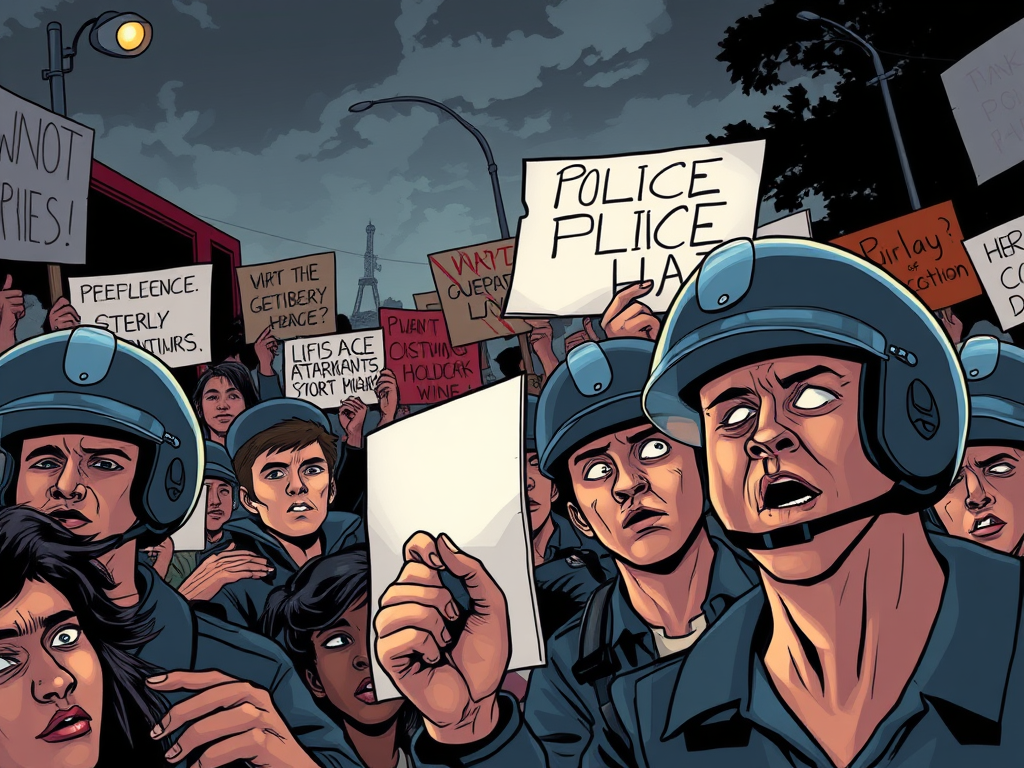
Police brutality refers to the excessive, unwarranted, or illegal use of force by law enforcement officers. It is a significant issue in many countries and has been the subject of intense debate, advocacy, and policy reform efforts. Here are some key facts and insights about police brutality:
1. Definition and Forms of Police Brutality
- Police brutality includes physical violence (e.g., beatings, shootings), psychological intimidation, verbal abuse, false arrests, racial profiling, and the use of excessive force during protests or interrogations.
- It can also extend to neglect or failure to act, such as ignoring individuals in distress.
2. Global Impact
- Police brutality is a global issue, though its prevalence and forms vary by country.
- In authoritarian regimes, police brutality may be state-sanctioned and used as a tool for oppression.
- In democratic nations, it often becomes a focal point for debates about accountability, systemic racism, and civil rights.
3. Statistics (U.S. Context)
- According to studies and databases like Mapping Police Violence, over 1,000 people are killed by police annually in the U.S.
- Black Americans are disproportionately affected, being approximately three times more likely to be killed by police than White Americans, despite being less likely to be armed.
- Police departments in the U.S. receive significant funding—often billions of dollars—leading to discussions about reallocating resources toward community services.
4. Protests and Advocacy
- High-profile cases, such as those of George Floyd, Breonna Taylor, and Eric Garner, have sparked global movements like Black Lives Matter.
- Protests against police brutality often call for increased accountability, transparency, and reforms like body cameras, de-escalation training, and civilian oversight boards.
5. Root Causes
- Systemic racism: Historical and institutional biases contribute to unequal treatment of minorities.
- Lack of accountability: Many officers accused of brutality face minimal consequences.
- Militarization of police: The use of military-grade equipment can escalate violence rather than de-escalate situations.
6. Potential Solutions and Reforms
- Policy Changes: Restricting the use of force, banning chokeholds, and mandating de-escalation practices.
- Accountability: Independent investigations into misconduct, body camera mandates, and transparency in reporting incidents.
- Community-Based Policing: Focusing on building trust and collaboration between law enforcement and the communities they serve.
- Addressing Systemic Issues: Tackling racial and socioeconomic inequalities that contribute to strained police-community relations.
7. International Standards
- Organizations like Amnesty International and Human Rights Watch advocate for adherence to international human rights laws.
- The United Nations’ Code of Conduct for Law Enforcement Officials outlines principles for the use of force, emphasizing necessity and proportionality.
Police brutality remains a critical human rights issue, and addressing it requires systemic reform, community involvement, and persistent advocacy.
Police profiling against women is a specific form of bias in law enforcement where women are unfairly targeted, treated differently, or discriminated against based on gender, race, or other intersecting identities. This issue highlights broader systemic problems, such as gender inequality, sexism, and the lack of adequate training or accountability within police forces.
Here are some key facts and insights about police profiling against women:
1. Forms of Police Profiling Against Women
- Gender-Based Assumptions: Women may be stereotyped as less credible victims or witnesses, especially in cases involving sexual violence or domestic abuse.
- Racial Profiling: Women of color are disproportionately affected, with compounded biases based on both race and gender.
- Economic Profiling: Homeless women or those perceived as engaging in sex work often face higher levels of profiling and mistreatment.
- LGBTQ+ Bias: Transgender women, particularly trans women of color, are often targeted by police profiling and subjected to harassment.
2. Discrimination in Law Enforcement Practices
- Victim-Blaming: Women reporting sexual assault or domestic violence may face skepticism, with their credibility questioned or their actions scrutinized.
- Over-Policing and Criminalization: Women in certain communities, such as low-income areas, may face unnecessary stops, searches, or arrests.
- Under-Policing of Gendered Crimes: Crimes predominantly affecting women, like domestic violence, may not be adequately investigated, leading to systemic neglect.
3. Intersectional Impact
- Race and Gender: Black and Indigenous women are more likely to experience profiling and excessive force. They are also overrepresented in cases of police violence against women.
- Immigrant Women: Women in immigrant communities may fear police due to concerns about immigration enforcement, making them vulnerable to both profiling and exploitation.
- Disabled Women: Women with disabilities are often overlooked or mistreated, with law enforcement failing to account for their unique vulnerabilities.
4. Statistics and Research
- Studies indicate that police are less likely to believe women reporting gender-based violence, often failing to file reports or follow up on complaints.
- In the U.S., Black women are disproportionately stopped and searched compared to White women, even when no evidence of wrongdoing exists.
- Transgender women, particularly Black trans women, face high rates of police harassment and violence, with reports indicating disproportionate arrests and mistreatment.
5. Consequences of Police Profiling
- Emotional and Psychological Harm: Victims of profiling often experience trauma, mistrust in law enforcement, and reluctance to seek help in the future.
- Criminalization of Victims: Women subjected to profiling are more likely to be arrested for minor offenses or behaviors associated with poverty or survival.
- Systemic Inequities: Profiling perpetuates societal inequalities, reinforcing cycles of marginalization and disempowerment.
6. Addressing the Issue
- Policy Reform: Enforcing anti-discrimination laws and implementing clear guidelines against gender and racial profiling.
- Training and Education: Providing law enforcement with gender sensitivity training and implicit bias education.
- Accountability Mechanisms: Strengthening civilian oversight boards and ensuring transparency in misconduct investigations.
- Community-Based Approaches: Empowering local organizations to advocate for women’s rights and serve as intermediaries between police and vulnerable groups.
7. Advocacy and Awareness
- Organizations such as the ACLU, Amnesty International, and local women’s rights groups actively campaign against gender-based profiling and violence.
- High-profile cases of police mistreatment of women have sparked broader movements for gender and racial justice.
Addressing police profiling against women requires systemic change, including reformed practices, cultural shifts within law enforcement, and broader societal efforts to combat bias and discrimination.
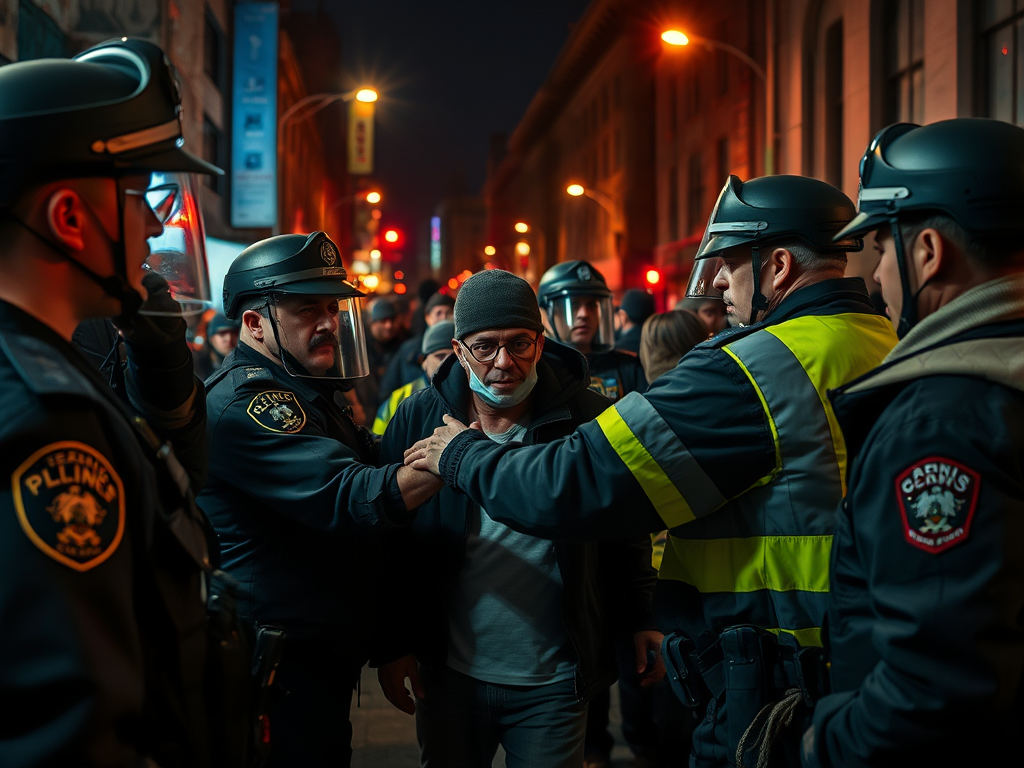

Stereotypes perpetuated by media, societal norms, or institutions, including law enforcement, often portray Black women in ways that are dehumanizing, reductive, or harmful. These stereotypes influence perceptions and treatment, perpetuating systemic inequality. Here are some common stereotypes about Black women and their impacts:
1. “Angry Black Woman”
- Description: This stereotype portrays Black women as overly aggressive, confrontational, and difficult to work with.
- Impact: It leads to dismissing their legitimate grievances or emotional expressions, discourages them from advocating for themselves, and results in them being penalized in professional and social settings.
2. “Hypersexualized Jezebel”
- Description: Black women are often hypersexualized in media, seen as promiscuous or sexually available.
- Impact: This stereotype contributes to victim-blaming in cases of sexual violence, over-policing of their bodies, and a lack of legal and societal support for their experiences.
3. “Strong Black Woman”
- Description: While seemingly positive, this stereotype suggests that Black women are innately resilient and able to endure any hardship without needing support or vulnerability.
- Impact: It can lead to overlooking their mental health needs, ignoring systemic inequities they face, and expecting them to handle disproportionate burdens.
4. “Welfare Queen”
- Description: This stereotype paints Black women as lazy, dependent on government assistance, and unwilling to work.
- Impact: It stigmatizes poverty, reinforces racial and gender biases in welfare policy, and overlooks structural barriers to economic opportunities.
5. “Mammy”
- Description: This stereotype depicts Black women as nurturing, selfless caretakers whose sole purpose is to serve others, particularly White families.
- Impact: It devalues their individuality, relegates them to subservient roles, and contributes to the exploitation of their labor.
6. “Sassy Black Woman”
- Description: This trope trivializes Black women’s personalities as being loud, comedic, or flamboyant.
- Impact: It reduces their complexity as individuals, frames their assertiveness as entertainment rather than legitimate, and discourages serious engagement with their ideas or concerns.
7. “Supermom” or “Matriarch”
- Description: Black women are often portrayed as the head of struggling families, bearing full responsibility for their children’s upbringing and community leadership.
- Impact: This shifts blame for systemic issues like poverty and incarceration onto individuals while ignoring the lack of structural support for Black families.
8. “Savage” or “Uncivilized”
- Description: This stereotype frames Black women as lacking refinement, grace, or cultural sophistication.
- Impact: It perpetuates the dehumanization of Black women and reinforces racist attitudes that marginalize them in professional and social contexts.
9. “Victim of Violence”
- Description: Black women are often seen as inherently tied to violence, whether as victims or contributors.
- Impact: This stereotype results in less empathy and legal protection in cases of domestic violence, police brutality, or sexual assault.
Combating These Stereotypes
- Media Representation: Promoting diverse and accurate portrayals of Black women in media to break monolithic narratives.
- Education: Raising awareness about the origins and consequences of these stereotypes.
- Advocacy: Supporting organizations that fight systemic racism and gender discrimination.
- Policy Change: Implementing anti-discrimination laws and practices across institutions.
Malicious prosecution occurs when law enforcement or prosecutors initiate legal proceedings against someone without probable cause and with improper motives, such as personal gain, bias, or retaliation. This unethical practice undermines trust in the justice system and often results in significant harm to individuals. Here are some reasons why law enforcement and prosecutors might engage in malicious prosecution:
1. Abuse of Power
- Retaliation: Law enforcement officers or prosecutors may pursue charges against individuals as retaliation for perceived slights, complaints against the police, or activism.
- Power Dynamics: The authority to arrest or charge individuals can be misused to intimidate, silence, or control others.
2. Bias and Discrimination
- Racial or Gender Bias: Malicious prosecution often disproportionately affects marginalized groups, including racial minorities, women, or LGBTQ+ individuals, reflecting systemic biases in the legal system.
- Stereotyping: Law enforcement may target individuals based on preconceived notions or stereotypes, leading to wrongful accusations.
3. Pressure to Secure Convictions
- Quota Systems: In some jurisdictions, there may be implicit or explicit pressure on officers and prosecutors to meet arrest or conviction quotas.
- “Tough on Crime” Policies: Overzealous pursuit of convictions, driven by political or public pressure, can result in cases being brought forward without sufficient evidence.
4. Lack of Accountability
- Qualified Immunity: Legal protections for law enforcement officers and prosecutors often shield them from consequences, even in cases of misconduct.
- Weak Oversight: Insufficient checks and balances in the justice system can allow malicious prosecution to occur without repercussions.
5. Corruption and Personal Gain
- Financial Incentives: In some cases, seizing property through civil asset forfeiture can create a financial motive for initiating charges.
- Career Advancement: Prosecutors may pursue high-profile or politically advantageous cases to boost their careers, regardless of the merit of the charges.
6. Neglect or Mismanagement
- Negligent Investigations: Poorly conducted investigations can lead to unfounded charges being filed against innocent individuals.
- Tunnel Vision: Investigators or prosecutors may focus solely on securing a conviction rather than ensuring justice, ignoring exculpatory evidence or alternative suspects.
7. Suppression of Dissent
- Targeting Activists: Law enforcement and prosecutors may use malicious prosecution as a tool to suppress protests, civil rights movements, or political opponents.
- Criminalization of Poverty: Marginalized individuals, especially those experiencing homelessness or poverty, are more likely to be targeted and wrongfully prosecuted.
8. Mistaken Identity or Fabrication
- False Testimony or Evidence: Cases may be built on fabricated evidence or coerced testimony, particularly in situations where there is a desire to close a case quickly.
- Profiling and Misidentification: Law enforcement may hastily arrest and charge individuals based on appearance, race, or location, rather than concrete evidence.
Impacts of Malicious Prosecution
- Emotional and Psychological Harm: Accused individuals often face trauma, stress, and stigma, even if acquitted.
- Financial Burden: Defending against wrongful charges can be costly, leading to financial ruin for many.
- Erosion of Trust: Malicious prosecution undermines public confidence in the justice system and creates fear within communities.
Preventing Malicious Prosecution
- Policy Reform: Enforce stricter standards for evidence before charges can be filed and require transparency in investigations.
- Accountability Mechanisms: Establish independent oversight committees to investigate claims of misconduct.
- Training: Provide law enforcement and prosecutors with training on ethical practices and implicit bias.
- Legal Recourse: Strengthen avenues for victims of malicious prosecution to seek compensation and hold perpetrators accountable.
 JAI ON EARTH Discovering Our Planet
Leave a comment