Introduction
Imagine waking up every day with a gnawing sense of unease, knowing that someone with power, authority, and seemingly unlimited resources is watching your every move. For years, this has been my reality. What began as an isolated incident of questionable behavior by law enforcement soon spiraled into a relentless campaign of harassment and stalking, turning my life into a constant battle for safety and sanity.
I’m sharing my story not to seek pity but to shed light on a disturbing abuse of power that too often goes unchallenged. Police harassment and stalking are not just isolated abuses; they’re a systemic failure that endangers lives and undermines trust in those tasked with protecting us.
Setting the Scene
It all began innocuously enough—or so it seemed. A routine encounter with law enforcement turned sour when I dared to question their actions. I was pulled over one evening, ostensibly for a minor traffic violation. When I asked for clarification on why I was stopped, the officer’s demeanor shifted. What followed was a string of condescending remarks and veiled threats. At the time, I thought it was over when I drove away with a warning. I was wrong.
Over the next few weeks, I began noticing police cars idling near my home at odd hours. My once-quiet neighborhood now felt like a stage for their silent intimidation. Whether it was paranoia or genuine concern at first, I couldn’t ignore the growing sense of dread.
The Harassment Begins
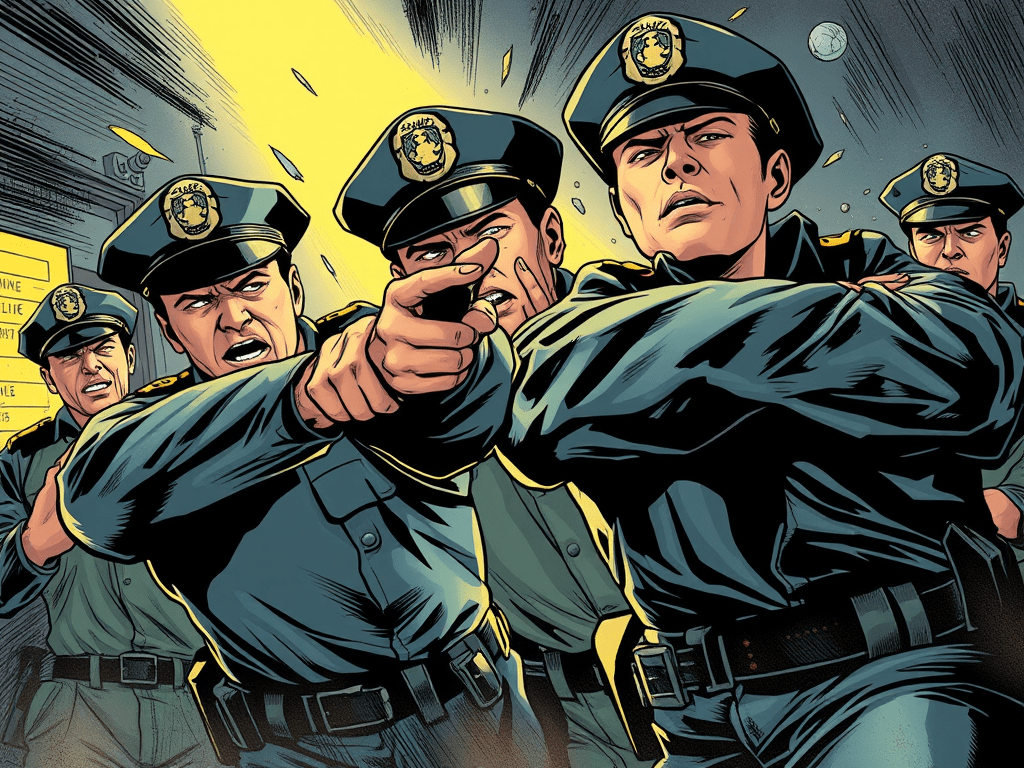
The signs of harassment became more apparent. Police cruisers seemed to follow me wherever I went. Trips to the grocery store, commutes to work, even mundane errands—none were exempt. The officers never confronted me directly, but their presence was a constant shadow, suffocating and inescapable.
At first, I tried to rationalize it. Perhaps they were patrolling the area or had legitimate reasons to be nearby. But the coincidences stacked too high. One officer began showing up at the same resturant I frequented, sitting within earshot without ordering anything. Another started lingering near my workplace. These weren’t random encounters; they were deliberate acts meant to unsettle me.
Escalation to Stalking
The harassment took a darker turn when I noticed that my phone was acting strangely—unexplained battery drains, odd background noises during calls. It wasn’t long before I suspected my communications were being monitored. Then came the unmarked vehicles parked near my home at night, with occupants who didn’t bother to hide their watchful gazes.
The breaking point came when I realized they had accessed my private life in ways I hadn’t thought possible. Friends and acquaintances began receiving unexpected visits or calls from officers asking intrusive questions about me. The message was clear: I was being targeted, and they wanted me to know it.
The fear was paralyzing. How do you fight back when your stalkers have badges and the backing of the law?
Seeking Help and Facing Obstacles
Desperate for relief, I sought help. My first step was to file a formal complaint with the civilian office of police accountability, detailing the harassment and stalking. The response? Dismissive at best, hostile at worst. My concerns were waved away as misunderstandings, and I was subtly warned against pursuing the matter further.
I turned to community organizations and legal advisors, hoping they might offer guidance. While I found some sympathetic ears, the lack of concrete evidence—paired with the immense power disparity—made it difficult to take effective action. Worse, I feared retaliation. Each attempt to push back seemed to provoke an escalation, leaving me more exposed than ever.
Living Under Fear
Living under constant surveillance isn’t just physically exhausting—it’s mentally debilitating. I began questioning everything: Were my friends safe? Could I trust my coworkers? Was I imagining things, or was every glance from a stranger another reminder that I was being watched?
Simple pleasures, like walking in the park or meeting friends for coffee, became fraught with anxiety. I developed habits I never thought I’d need: checking my surroundings obsessively, taking different routes home, keeping curtains closed at all hours. The psychological toll was enormous. Sleep became elusive, and my health deteriorated under the weight of stress.
Understanding the Bigger Picture
As I navigated my ordeal, I began to see the bigger picture. My story, though personal, is far from unique. Across the country, countless individuals have faced similar abuses of power. Police harassment and stalking disproportionately affect marginalized communities, where systemic biases compound the problem.
The issue lies not with a few “bad apples” but with a culture of impunity. When law enforcement is allowed to operate without accountability, it creates an environment where abuse flourishes. My case, though deeply personal, is a symptom of a broader crisis that demands urgent attention.
Fighting Back
Despite the obstacles, I refused to let fear silence me. I began documenting every encounter in painstaking detail: times, dates, descriptions of vehicles, and the officers involved. I sought support from advocacy groups and connected with others who had faced similar experiences. Together, we began to piece together a pattern of misconduct.
Social media became a platform to amplify my story. While it exposed me to additional scrutiny, it also garnered support from strangers who understood the stakes. The solidarity I found gave me the strength to keep fighting.
I’ve since pursued legal action, though the road ahead is daunting. The justice system is slow, and the odds are stacked against individuals challenging institutions as powerful as the police. Still, I remain committed to seeking accountability—not just for myself, but for anyone who has been silenced or ignored.
Call for Change
This experience has taught me that systemic change is the only way to address abuses of power. Accountability must be baked into the fabric of law enforcement, starting with independent oversight bodies that can investigate misconduct without bias. Transparency in police operations, including mandatory body cameras and public access to records, is crucial.
Equally important is the need for community-driven reforms that prioritize de-escalation, mental health support, and restorative justice over punitive measures. The culture of “us vs. them” in law enforcement must be dismantled to rebuild trust and ensure that officers serve their communities, not terrorize them.
Conclusion
My journey through police harassment and stalking has been harrowing, but it has also been transformative. I’ve learned the importance of resilience, community, and speaking truth to power, even when the odds seem insurmountable.
To those who may be experiencing similar struggles: you are not alone. Your voice matters, and your story deserves to be heard. Together, we can demand a world where no one has to live in fear of those sworn to protect them. Let this blog be a call to action—for accountability, for justice, and for the courage to confront power when it goes unchecked.
 JAI ON EARTH Discovering Our Planet
Leave a comment