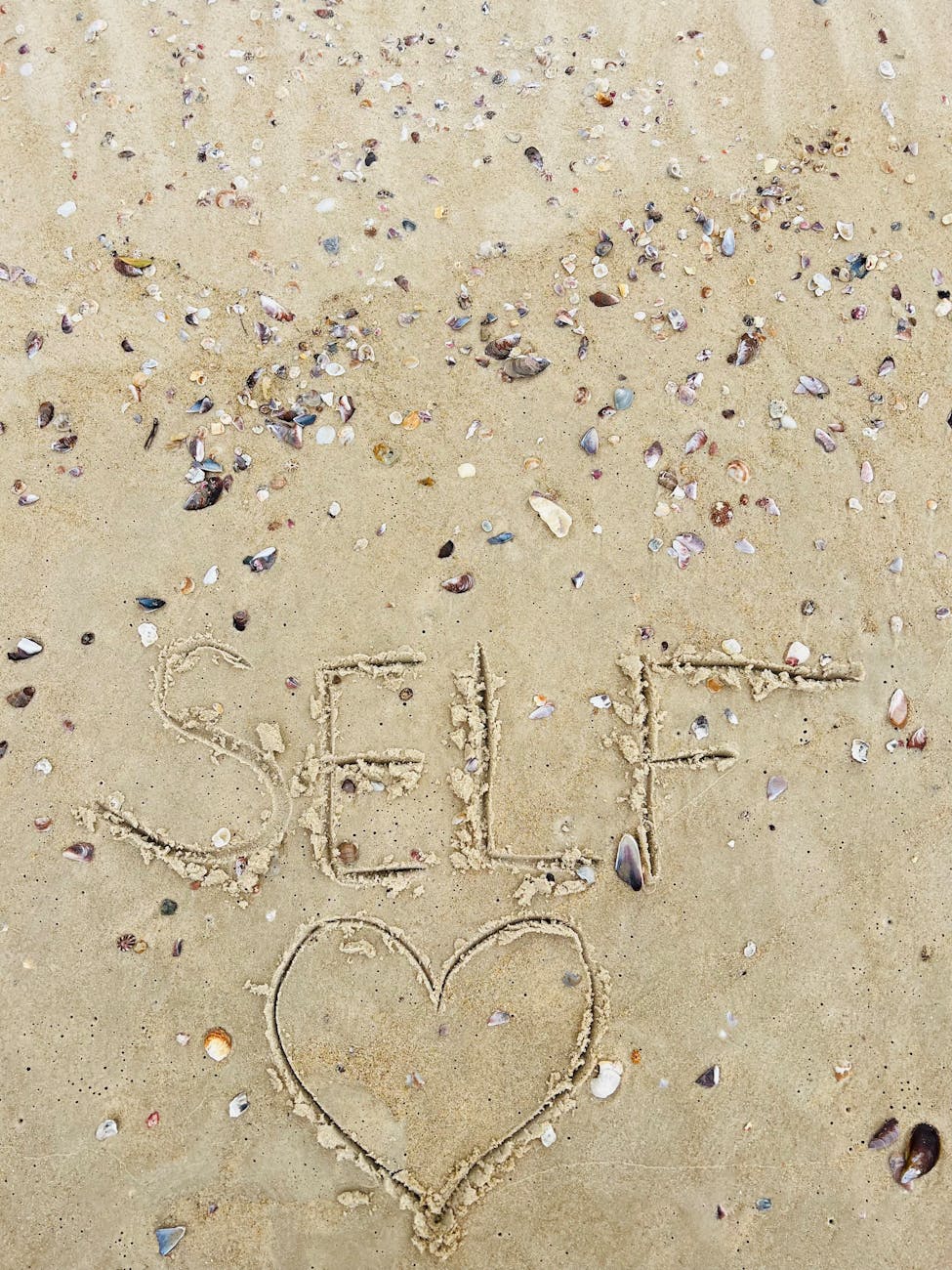
Selflessness is often praised as a moral virtue — the mark of a kind, generous, and loving person. From childhood, many of us are taught to put others first, to give without expecting in return, and to be there for people no matter what. While there’s undeniable value in compassion and generosity, there’s a darker side to chronic selflessness that often goes unnoticed: it can slowly erode your well-being, identity, and even your relationships.
Here’s why being selfless — when taken too far — can hurt you in the long run.
1. You Start Neglecting Your Own Needs
When you’re always focused on what others need, you may forget to check in with yourself. You skip meals to help a friend move, sacrifice sleep to finish a colleague’s work, or suppress your own emotions to avoid burdening someone else. Over time, this builds up into chronic self-neglect, which can affect your physical and mental health.
Being selfless doesn’t mean being invisible — but too much of it can make you feel that way.
2. People Begin to Take You for Granted
Selfless people often attract those who take without giving back. When you’re always saying “yes,” you set a precedent: others expect you to be available and accommodating, no matter the cost to you. This can create one-sided relationships, where your efforts are undervalued or even exploited.
And the worst part? You might not even notice it’s happening — until resentment builds and you feel used.
3. You Lose Your Sense of Identity
When your life revolves around meeting the needs and desires of others, you may begin to lose touch with your own. What do you want? What brings you joy? Chronic selflessness can make it difficult to answer these questions because you’ve spent so long putting your identity on the back burner.
Living through others’ expectations may seem noble, but it can slowly chip away at your sense of self.
4. It Leads to Burnout and Emotional Fatigue
Always being the one others rely on can feel like carrying the emotional weight of the world. And eventually, that weight becomes too much. Burnout isn’t just for overworked professionals — it’s a frequent outcome of emotional overextension. Constant selflessness can make you feel drained, irritable, and even depressed.
You can’t pour from an empty cup. Yet many selfless people keep trying — until they break.
5. You May Become Resentful or Passive-Aggressive
Ironically, people who are too selfless often become frustrated over time. They may not voice their needs clearly, fearing rejection or guilt. Instead, resentment simmers below the surface. This can damage relationships more than healthy honesty ever would.
When you always prioritize harmony over authenticity, the connection becomes fragile — built on silence instead of mutual understanding.
6. You Delay Your Own Growth and Goals
Helping others is admirable, but if you’re constantly putting their needs ahead of your own, your personal dreams take a backseat. Whether it’s pursuing a career, learning a new skill, or simply having downtime, the cost of endless giving is often your own progress.
Being selfless can keep you stuck in place, while everyone else moves forward.
Striking the Balance: From Selfless to Self-Respecting
True compassion includes yourself. Being kind, supportive, and generous doesn’t mean sacrificing your identity or health. There’s a big difference between being selfless and being self-sacrificing.
Healthy boundaries, open communication, and self-awareness are essential tools for anyone who wants to help others without losing themselves.
In Summary
Selflessness is a virtue — but like any virtue, it loses its power when taken to an extreme. Being too selfless can damage your health, relationships, and sense of purpose. It’s not selfish to protect your time, energy, and emotional well-being. In fact, it’s necessary.
Because the best way to truly support others is by making sure you’re strong enough — and whole enough — to do so.
 JAI ON EARTH Discovering Our Planet
Leave a comment