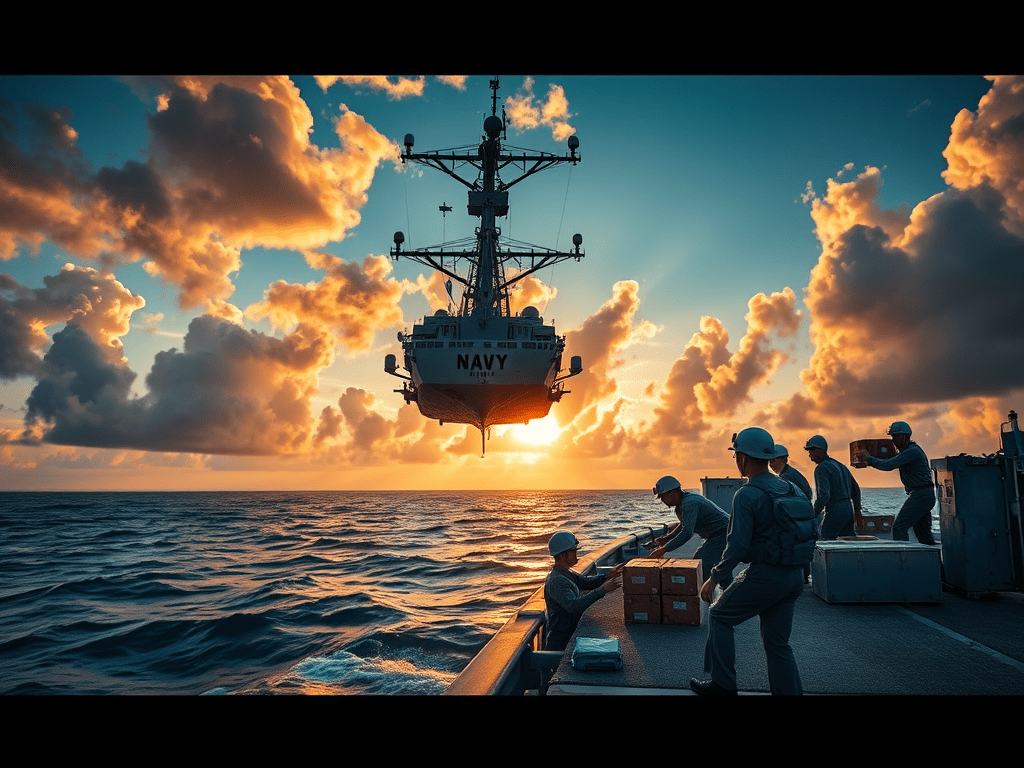
When people think of security, they often imagine borders, cities, and skies. But beneath those horizons lies another frontier—the oceans. The U.S. Navy, with its centuries-long legacy, remains one of the most formidable forces not only in national defense but also in global stability.
What makes the Navy exceptional is not just its advanced ships, submarines, and aircraft—it’s the men and women who operate them. Sailors and officers undergo rigorous training that demands precision, endurance, and discipline. They are taught to think critically under pressure, make split-second decisions, and adapt to ever-changing conditions at sea.
Beyond defense, the Navy plays a crucial humanitarian role. When natural disasters strike—whether it’s a typhoon in the Pacific or an earthquake near coastal regions—the Navy is often among the first to respond. Its ability to mobilize quickly means food, water, and medical supplies reach devastated communities in record time.
The Navy also safeguards international waters, ensuring that shipping routes remain open and trade flows safely. With nearly 90% of the world’s commerce carried by sea, this mission is vital to the global economy. The presence of U.S. ships deters piracy, counters smuggling, and reassures allies that freedom of navigation will be preserved.
But perhaps the most profound testament to the Navy’s strength is the character of its personnel. These are individuals who volunteer to spend months away from family, endure unpredictable conditions, and embrace a life of service. Their commitment isn’t just to their country—it’s to the idea that the seas should remain safe for all.
In every mission, whether combat readiness or humanitarian relief, the U.S. Navy’s men and women demonstrate resilience, honor, and courage. They aren’t just protecting coastlines; they are protecting the principles of freedom, cooperation, and security across the globe.
Here’s a fact-driven, numbers-focused magazine-style article emphasizing the Navy’s scope and global presence:

Steel and Service: The U.S. Navy’s Global Reach
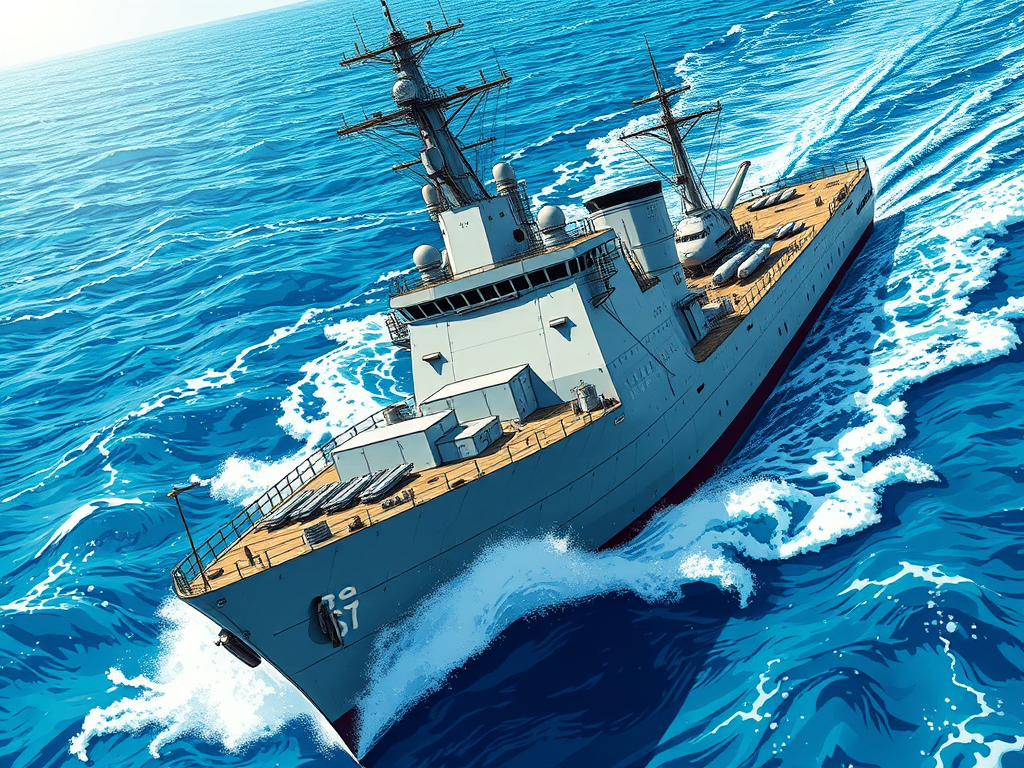
Few organizations can claim the global footprint of the United States Navy. With over 290 deployable ships, including 11 aircraft carriers, more than 70 submarines, and nearly 100 destroyers and cruisers, the Navy maintains a presence in every ocean on Earth. These ships aren’t just hardware—they are platforms for thousands of highly trained men and women dedicated to protecting international security.
The Navy operates over 3,700 aircraft, from carrier-based jets to maritime patrol planes, enabling rapid response anywhere in the world. Its sailors are trained to handle extreme conditions—icy Arctic waters, storm-lashed seas, and tropical climates alike. Each deployment is carefully coordinated, combining intelligence, logistics, and tactical expertise to ensure mission success.
The U.S. Navy’s global reach extends far beyond defense. It conducts over 100 humanitarian missions annually, delivering aid to disaster-stricken regions and providing medical support in countries around the globe. From clearing vital shipping lanes to countering piracy off the Horn of Africa, the Navy safeguards the commerce that powers international trade, which accounts for nearly 90% of global goods transported by sea.
Personnel strength mirrors this operational scale. The Navy employs over 330,000 active-duty sailors, supported by 100,000 reserve personnel, all committed to maintaining maritime security and readiness 24/7. These men and women spend months at sea, often far from home, mastering advanced technology, strategic operations, and crisis response.
This combination of scale, skill, and commitment makes the U.S. Navy not just a military force, but a cornerstone of global stability. Wherever freedom of navigation is threatened, wherever humanitarian aid is needed, the Navy’s ships and sailors stand ready—proving why the United States can project security and support across every corner of the world.
 JAI ON EARTH Discovering Our Planet
Leave a comment