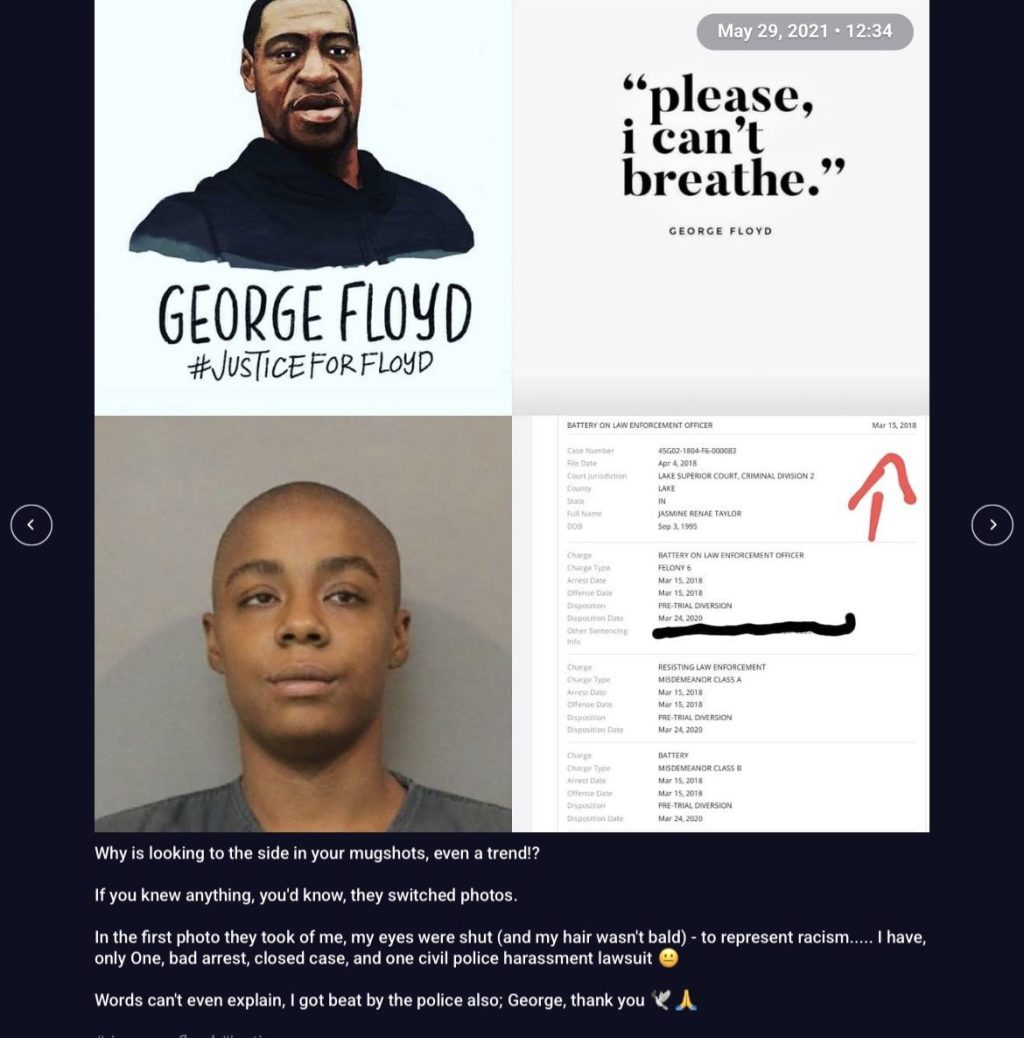
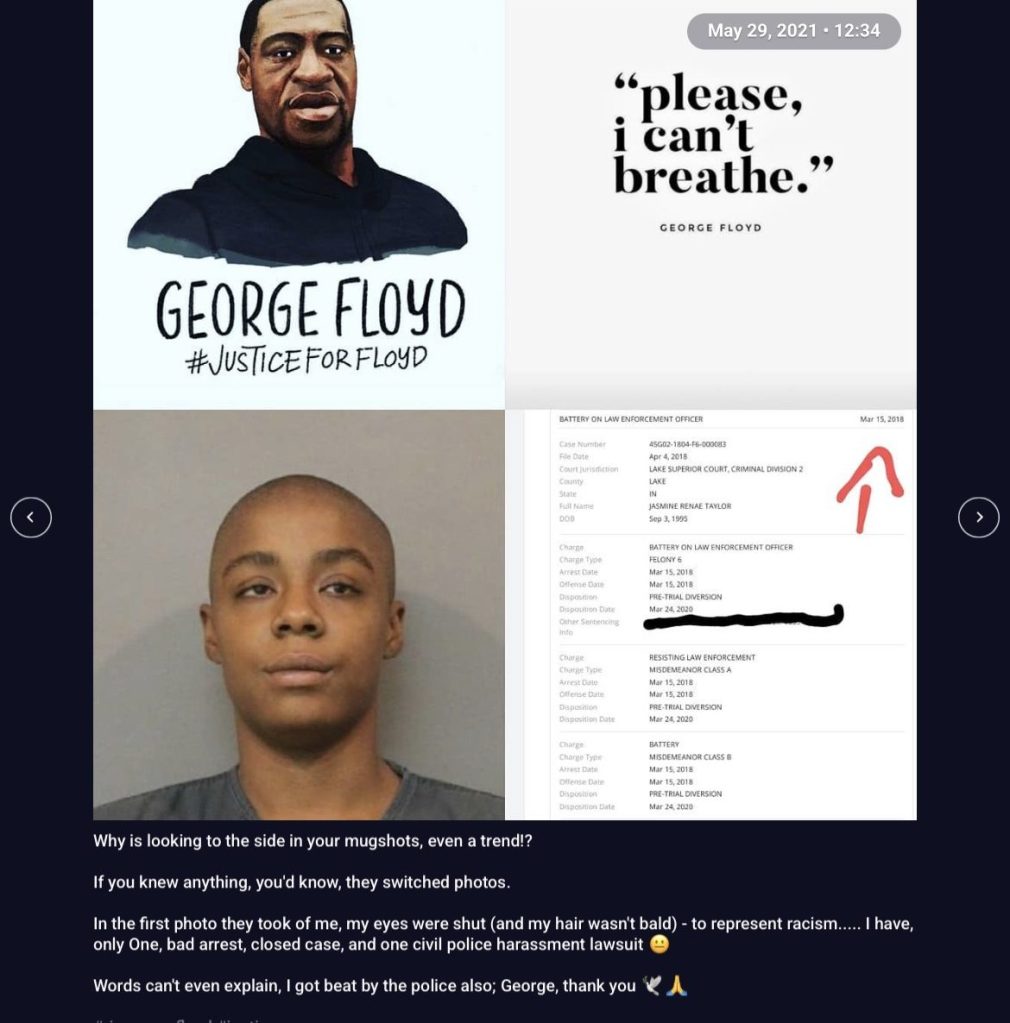
In 2018, law enforcement chose to harass me across state lines because I use to enjoy gambling, drowning in beers, and relaxing at the Horseshoe Casino before the casino started losing money, and essentially collaborating with police to arrest individuals and create charges and difficulties in order to generate revenue. If you understand how Indiana police function, you will see that they are extremely discriminatory, always use excessive force, and will arrest you based on what any one says about you!
This is the state where the Ku Klux Klan still operates. African Americans are separated, pushed aside, and disregarded wherever they go to Indiana. Those who live a decent life or have money are too reluctant to speak up or report what is going on in these remote areas to law enforcement for fear of being targeted and jailed, leaving them without money and putting their homes and lives in jeopardy due to malicious prosecution.
An cop in full uniform at St Catherine’s Hospital wrongfully arrested, harassed, and attempted to intimidate me. I remember heading to the restroom and him following me, and I asked why he was following me. Everything after that became authoritative, as if he wanted to test the big dyke’s patience in the emergency room. He used excessive force and lied in his affidavit.
I fainted and was given Narcan in the casino; I hadn’t done any drugs and was simply extremely drunk, I was brought to ER. I hadn’t committed any crimes, and whatever happened between me falling flat on my face and the EMT’s attempting to revive me piqued the interest of Lt. Jose Rivera and Sgt. Justin Orange, who claimed that I committed battery against them (which I didn’t).
I was charged, hired a lawyer (Shane O’Donnell), who later turned over my case to the Public Defender office, because I had spent all of my money trying to survive. My public defender was able to provide light on the matter.
But the state of Indiana doesn’t care; all that matters is their conviction rate. I consented to a plea, although knowing I was innocent. And I didn’t go to the casino for over 5+ years. I assumed I would never be targeted or tormented again. I was mistaken; from 2018 to 2024, I was unlawfully Surveilled by various law enforcement agencies spanning to Indiana and Chicago.
Interrupting my ability to maintain a job, a house, and food on the table. The mental stress and toll this took on me; mail was taken; money, checks, my life, and personal information were sold on the dark web, among other things. I went to Alcohol to distract myself from what was actually going on. Because “the boys in blue” would rather see minorities suffer, remain impoverished, and become statistics than acknowledge to the underlying problem.
Here are 12 practical, evidence-based tips to help reduce the risk of negative interactions with police, while still protecting your rights. These apply in many places (especially the U.S.), but always consider your local laws.
✅ 1. Stay Calm and Keep Your Hands Visible
Officers are trained to look for threats. Sudden movements or hidden hands raise their alert level immediately.
✅ 2. Speak Slowly, Clearly, and Politely
Tone can shape the entire interaction. Calm, non-accusatory communication helps prevent escalation.
✅ 3. Don’t Argue on the Street
If something is unfair or wrong: fight it in court, not during the stop.
You can assert your rights without being confrontational.
✅ 4. Ask Before Reaching for Anything
Say: “I’m going to get my ID now. Is that okay?”
This removes ambiguity and prevents misunderstandings.
✅ 5. Know Your Right to Remain Silent
You can say:
“I’m choosing to remain silent and would like to speak to a lawyer.”
Don’t volunteer unnecessary information.
✅ 6. Know When You Must Identify Yourself
In many places you must identify yourself during a lawful stop; in others, you don’t.
Always comply with identification laws to avoid additional charges.
✅ 7. Ask if You’re Free to Leave
If you’re not being detained, you can go.
Use clear wording:
“Am I being detained, or am I free to go?”
✅ 8. Don’t Physically Resist
Even if the stop feels unjust, never push, pull away, or hit an officer.
Verbal resistance is legal; physical resistance is not.
✅ 9. Record the Encounter If Legal
In many regions, you have the right to film police as long as you don’t interfere.
Say: “I’m not interfering; I’m recording from a safe distance.”
✅ 10. Comply First, Contest Later
If an officer gives a command that doesn’t put you in danger (e.g., “step out of the car”), comply.
You can dispute it through legal channels afterward.
✅ 11. Avoid Sudden Movements or Emotional Outbursts
Keep movements slow.
Take deep breaths if you feel anxious. Officers often mirror your emotional state.
✅ 12. Keep Your Vehicle Organized
During traffic stops, visible weapons, drugs, or clutter raise suspicion. A clean, organized environment reduces tension.
⭐ Bonus Tips
- Know your local laws on searches, filming, identification, and traffic stops.
- If with passengers, tell them to stay calm and quiet.
 JAI ON EARTH Discovering Our Planet