
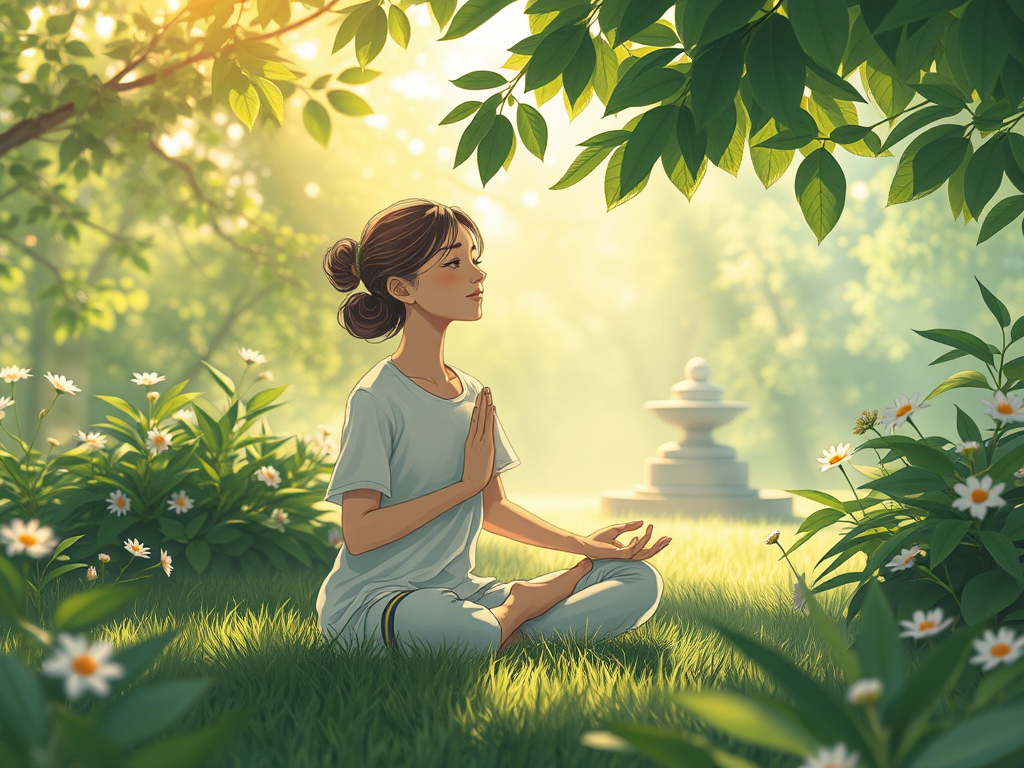
Have you ever driven somewhere and realized you barely remember the trip? That’s autopilot living—and most of us spend more time there than we’d like to admit. Mindfulness is the opposite. It’s about waking up to your life as it’s happening, noticing the details, and giving yourself permission to slow down.
What Mindfulness Really Means
Mindfulness isn’t about emptying your mind or forcing yourself to “think positive.” It’s simply the practice of paying attention to the present moment, without judgment. That means noticing your thoughts, emotions, and surroundings, and letting them be what they are. It’s less about control and more about awareness.
Why Mindfulness Matters
Our modern lives are noisy—constant notifications, endless to-do lists, and the pressure to always keep up. Over time, that noise can leave us stressed, distracted, and even disconnected from ourselves. Practicing mindfulness gives us space to breathe.
Research shows it can:
- Reduce stress and anxiety
- Improve focus and memory
- Support better sleep
- Encourage compassion (both for ourselves and others)
But beyond science, the biggest benefit may be the simple joy of actually noticing life as it unfolds.
Everyday Ways to Practice Mindfulness
The beauty of mindfulness is that it doesn’t require hours of meditation or a special routine. You can weave it into your day in small, intentional moments:
- Mindful Breathing: Take a minute to notice your breath. Inhale slowly, exhale fully, and feel the rhythm of it.
- Mindful Eating: Put away distractions and really experience your meal—the colors, textures, and flavors.
- Mindful Walking: Pay attention to each step, the ground beneath you, and the sounds around you.
- Body Awareness: Do a quick scan of your body. Notice where you’re holding tension, then soften those areas.
Even these small pauses can reset your mood and bring you back to the present.
Embracing Imperfection
It’s worth remembering: mindfulness isn’t about doing it “right.” Your mind will wander. You’ll get distracted. That’s part of the process. Every time you notice and gently return your attention to the moment, you’re practicing mindfulness.
Living More Fully
At its heart, mindfulness is about connection—connecting with yourself, with others, and with the simple beauty of everyday life. When you slow down and pay attention, you may find more calm, more clarity, and even more gratitude in the ordinary moments you once overlooked.
Because sometimes, the smallest moments end up being the ones that matter most.
7-Day Mindfulness Challenge added at the end:
Mindfulness: Finding Calm in the Everyday
Have you ever driven somewhere and realized you barely remember the trip? Or finished a meal without really tasting it? That’s autopilot living—and most of us spend more time there than we’d like to admit. Mindfulness is the opposite. It’s about waking up to your life as it’s happening, noticing the details, and giving yourself permission to slow down.
What Mindfulness Really Means
Mindfulness isn’t about emptying your mind or forcing yourself to “think positive.” It’s simply the practice of paying attention to the present moment, without judgment. That means noticing your thoughts, emotions, and surroundings, and letting them be what they are. It’s less about control and more about awareness.
Why Mindfulness Matters
Our modern lives are noisy—constant notifications, endless to-do lists, and the pressure to always keep up. Over time, that noise can leave us stressed, distracted, and even disconnected from ourselves. Practicing mindfulness gives us space to breathe.
Research shows it can:
- Reduce stress and anxiety
- Improve focus and memory
- Support better sleep
- Encourage compassion (both for ourselves and others)
But beyond science, the biggest benefit may be the simple joy of actually noticing life as it unfolds.
Everyday Ways to Practice Mindfulness
The beauty of mindfulness is that it doesn’t require hours of meditation or a special routine. You can weave it into your day in small, intentional moments:
- Mindful Breathing: Take a minute to notice your breath. Inhale slowly, exhale fully, and feel the rhythm of it.
- Mindful Eating: Put away distractions and really experience your meal—the colors, textures, and flavors.
- Mindful Walking: Pay attention to each step, the ground beneath you, and the sounds around you.
- Body Awareness: Do a quick scan of your body. Notice where you’re holding tension, then soften those areas.
Even these small pauses can reset your mood and bring you back to the present.
Embracing Imperfection
It’s worth remembering: mindfulness isn’t about doing it “right.” Your mind will wander. You’ll get distracted. That’s part of the process. Every time you notice and gently return your attention to the moment, you’re practicing mindfulness.
Living More Fully
At its heart, mindfulness is about connection—connecting with yourself, with others, and with the simple beauty of everyday life. When you slow down and pay attention, you may find more calm, more clarity, and even more gratitude in the ordinary moments you once overlooked.
Because sometimes, the smallest moments end up being the ones that matter most.
A 7-Day Mindfulness Challenge
Want to give mindfulness a try? Here’s a simple one-week challenge you can follow:
- Day 1 – Mindful Breathing: Spend 5 minutes focusing only on your breath. Inhale, exhale, and notice the sensations.
- Day 2 – Gratitude Pause: Write down three things you’re grateful for today, no matter how small.
- Day 3 – Mindful Eating: Choose one meal and eat it without distractions—no phone, no TV, just awareness of taste and texture.
- Day 4 – Body Scan: Take 10 minutes to notice your body from head to toe. Release tension where you find it.
- Day 5 – Mindful Walking: Go for a short walk and focus on your surroundings—the sounds, the colors, the feel of the air.
- Day 6 – Digital Detox Break: Spend one hour away from screens and notice how it feels.
- Day 7 – Reflection: Take a few minutes to journal about what you experienced this week. Did anything feel different?
By the end of seven days, you’ll likely notice small shifts in your awareness, energy, and mood. And the best part? You can keep building on it from there.
 JAI ON EARTH Discovering Our Planet
Leave a comment